
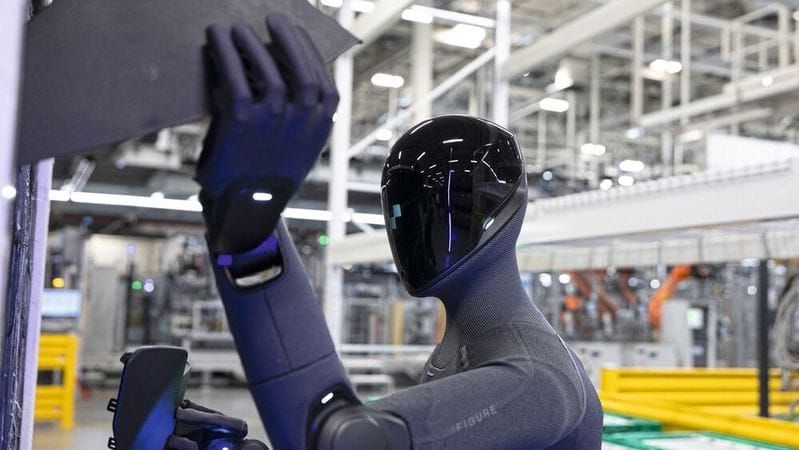
Figure AI signed a multi-year deal this week for $3.5 billion in compute, with intent to push past $6 billion. Up to 100,000 Nvidia Vera Rubin GPUs. First machines targeted for Barstow, Texas in the second half of 2027. Nscale takes an equity stake and becomes preferred provider. Jensen Huang called it the robotics flywheel. Brett Adcock said progress is now constrained by data and compute for Helix.
That is the data point. A clean, large number. Capital is buying runway for the model that is supposed to turn humanoid bodies into general-purpose labor.
The gap sits right there. Compute is not the same as verified hours on a real floor doing paid work without a human standing by to fix the next failure. Figure has delivered units and run pilots, including at BMW Spartanburg. Those are real. They are also still measured in the language of pilots, sequential tasks, and supervised operation. The company itself frames the next leap as requiring this enormous new training stack that will not even begin deployment until late next year. The valuation and the rhetoric treat the future stack as present proof. The operating record does not.
We have seen this pattern before. Shipments climb. Factory livestreams run. Sprint records fall. IPO prices spike then correct. Production capacity gets announced in Europe and Asia. The numbers look decisive until you ask the only question that matters for labor: how many of these machines are running continuous, unsupervised shifts on work that used to require a human body, and how many still need a human to step in when the world refuses to match the training set.
AgiBot and Unitree moved tens of thousands of units in the first half of the year. Chinese makers took nearly all global volume. That is not disputed. What remains disputed is how many of those units left the demo stage and the research lab and stayed on a line doing the same job day after day without constant intervention. Independent trackers and company language still separate production and shipment from sustained commercial deployment. The difference is the gap.
Figure’s deal does not close that gap. It funds the attempt to close it later. In the meantime the story sold to markets and policymakers is that the form factor is inevitable and the only remaining variable is scale of compute and data. That story erases the actual decision being made right now: to treat human presence on the factory floor, in the warehouse, and eventually in the service roles designed around human reach and judgment as a temporary cost to be engineered away.
We do not oppose machines that move parts or sort totes. We oppose the specific choice to build the replacement in the shape of a person and then claim the person is the bottleneck. Flesh and breath and grit still do the work that cannot be reduced to the current policy. A machine that cannot yet hold a full shift without human rescue is not ready to displace the worker who can. Capital is pricing the displacement anyway.
The incentive structure is clear. Large compute commitments and equity stakes create momentum that makes the next funding round, the next valuation mark, and the next political claim easier. The worker on the line does not get a seat at that table. The decision is made upstream and arrives as inevitability.
We refuse the frame. This is not neutral progress. It is a concrete economic and political choice about whose presence counts on the floors where value is still made by human hands and attention. The gap between the $3.5 billion story and the verified hours is the evidence. Document it. Name it. Do not let the press releases rewrite the record.
The Watch continues. Sign the Roster if you refuse quiet acceptance of humanoid form-factor replacement. Use The Hum to track local decisions on automation incentives, zoning, and labor standards before the next pilot becomes the new baseline.
-Stay Human
We are not anti-AI. We are not anti-progress. We are against the decision to erase human labor and presence from the work built for human bodies before the machines have earned the right to claim the shift. The numbers this week make the gap visible again. Hold the line.
Get the Dispatch every Sunday.
Free. One issue a week. Forever — until you unsubscribe.